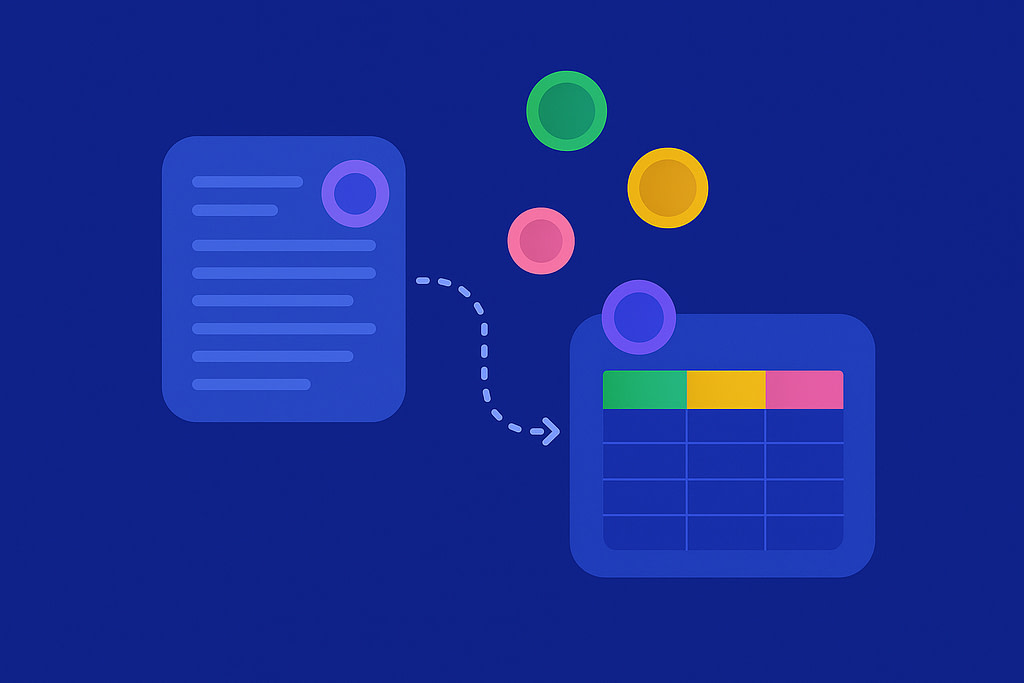
Automatic Metadata Extraction is now available in Vectorize! This powerful addition transforms how you work with documents in your RAG pipelines. This feature allows you to extract structured information from your documents automatically, enhancing your retrieval capabilities and providing more context for your language models. The Challenge of Unstructured Data Organizations deal with vast amounts […]
Vectorize + Supabase: Simplifying Vector Search for Your RAG Applications
We’re excited to announce our new integration with Supabase Vector, bringing Vectorize’s retrieval-augmented generation (RAG) pipelines to one of the fastest-growing open-source developer platforms. If you’re already using Supabase and want to power smarter search, structured extraction, or multimodal AI experiences — this integration is for you. Why Supabase? Supabase has earned its spot as […]
Building the JFK Files Explorer: Making History Accessible with Vectorize
With the release of the latest JFK assassination files this week, we saw an opportunity to showcase Vectorize’s capabilities while providing a valuable service to the public. Today, I’m excited to share JFK Files Explorer, a free tool that allows anyone to have conversations with these historically significant documents. The Challenge: Scale and Complexity The […]
Why You Should Always Use a Reranker When Doing RAG
If you’re implementing retrieval augmented generation (RAG), there’s one crucial component you might be missing: a reranking model. While vector similarity search has become the go-to method for retrieving relevant context, relying solely on similarity scores can lead to suboptimal results. Let me show you why reranking is not just an optional enhancement, but a […]
Designing Agentic AI Systems, Part 2: Modularity
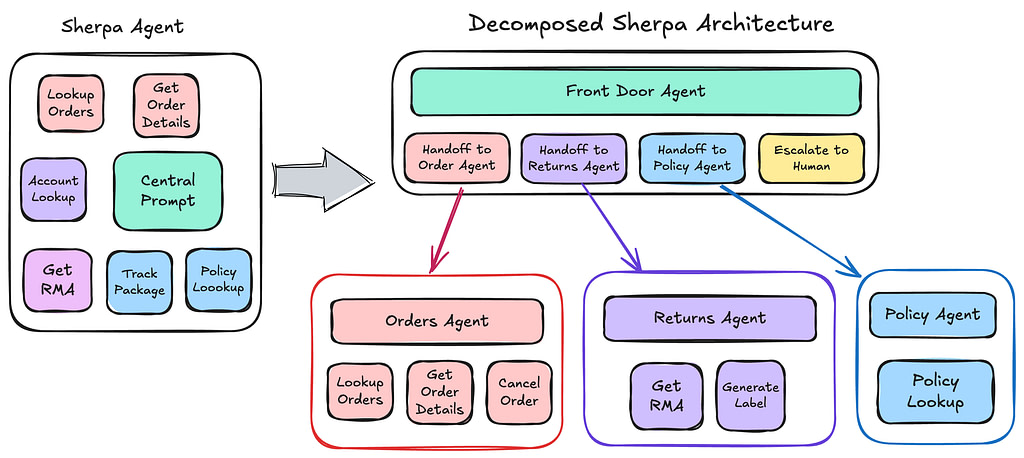
The article looks at the benefits of modularity in agentic systems, enhancing clarity, maintainability, and reducing complexity.
Designing Agentic AI Systems, Part 1: Agent Architectures
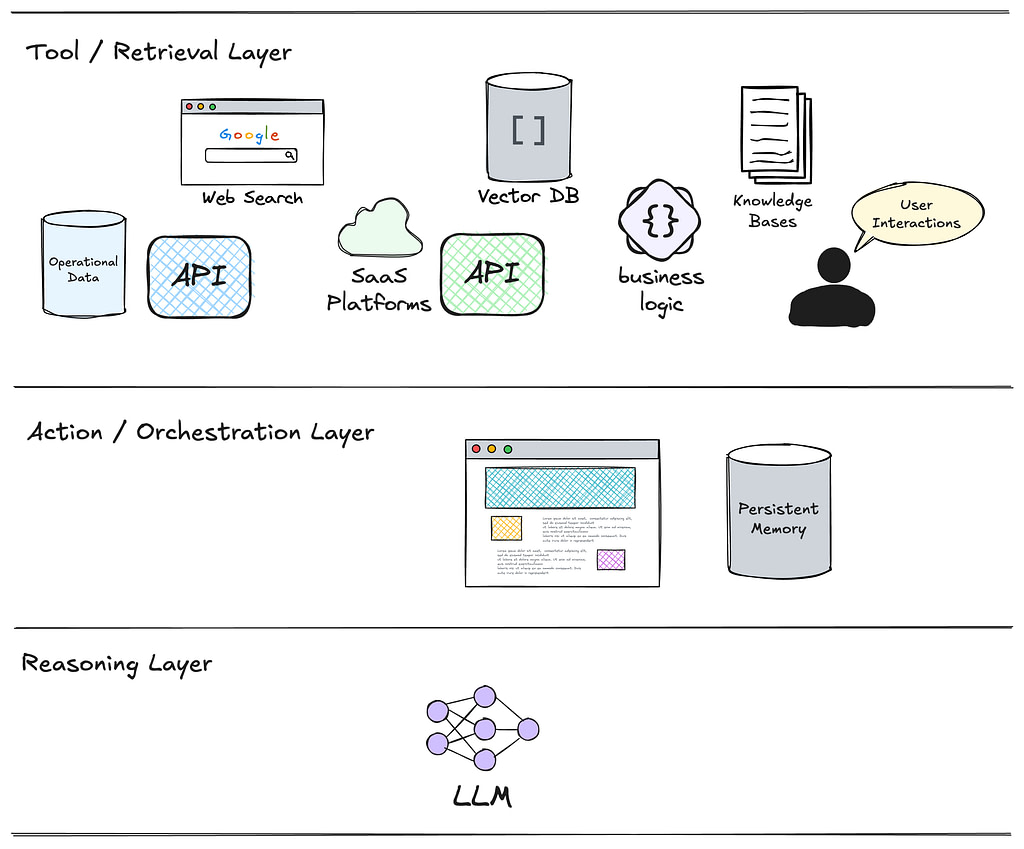
This guide outlines how to create efficient agentic systems by focusing on three layers: tools, reasoning, and action. Each layer presents unique challenges that can impact overall system performance.
Creating a context-sensitive AI assistant: Lessons from building a RAG application
At Vectorize, we want to make it fast and easy for our users to create retrieval-augmented generation (RAG) pipelines to power their AI applications. We’ve tried to make it as intuitive as possible and continue to iterate on our user interface towards this goal. However, when you support dozens of integrations with third-party vector databases, […]
Microagents: building better AI agents with microservices
“This thing is a tangled mess.” I was relieved to hear the presenter say the words I was thinking. He had just finished walking me through a new AI agent, which I’m going to call Sherpa throughout this article. Sherpa was a proof of concept for a new AI agent their team had been working […]
Multimodal RAG Patterns Every AI Developer Should Know
Building multimodal RAG applications can be tricky. These design patterns will help you provide users with richer, more detailed insights
Vectorize is now generally available!
Anyone who’s built an AI application using retrieval-augmented generation (RAG) knows how frustrating it can be. Most of your data is in places it’s not easy to access: buried deep in file systems, trapped inside SaaS platforms, or tucked away in knowledge bases. Once you’ve figured out a way to extract your data, you still […]